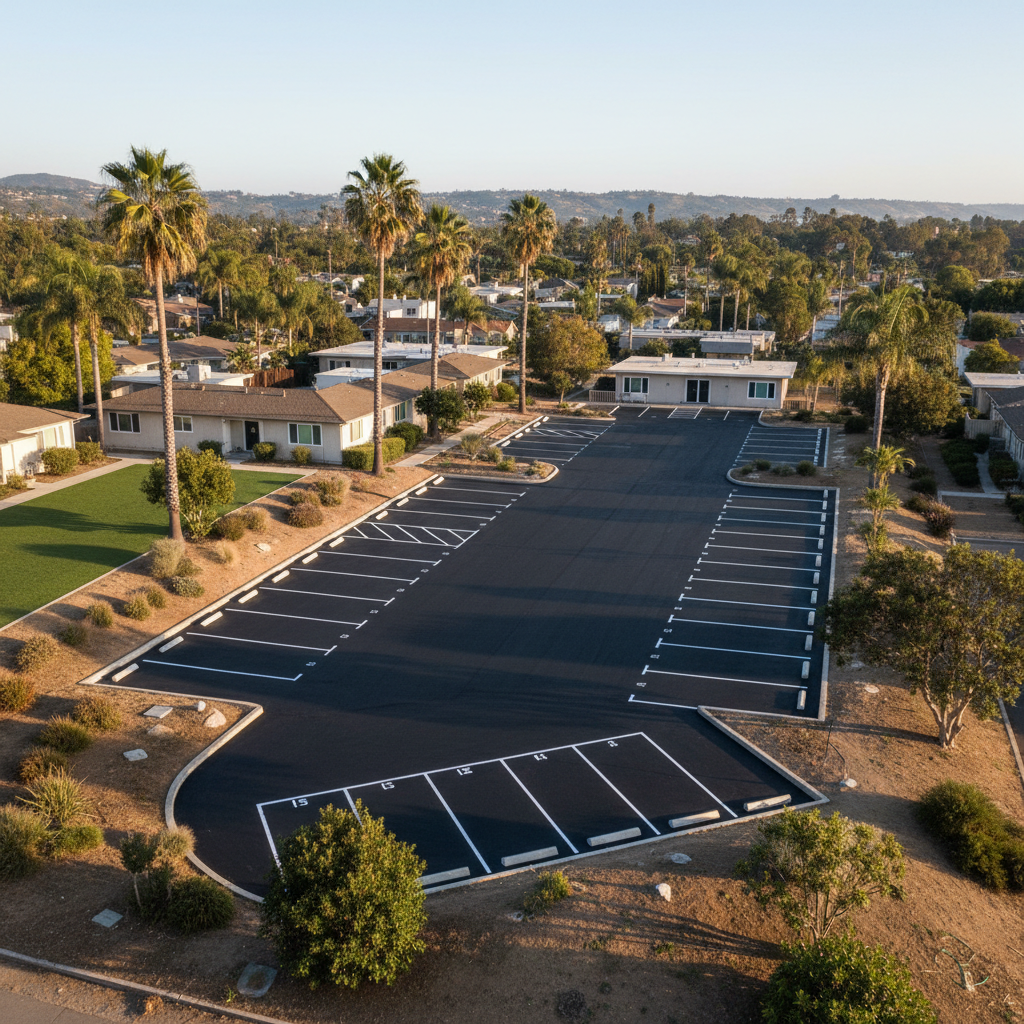
So, you're thinking about paving a parking lot on your Long Beach property? That's a big project, and honestly, I've seen a lot of them come and go over the years. Getting it right means planning ahead, knowing what you're really in for, and asking the right questions. Let's get you squared away so your new parking lot ends up a solid investment, not a giant headache.
The Project Timeline: What to Expect
A parking lot paving project isn't something that happens overnight. From the very start to the finish line, you're usually looking at anywhere from a few weeks to a couple of months. It just depends on how big and complicated the job is. Here’s a general rundown:
- First Chat & Site Check (1-2 weeks): You'll start by talking to a few contractors. They'll come out, take a look at your property, measure the area, and chat about what you need. This helps them get a clear picture of what your new lot will actually require.
- Design & Getting Permits (2-4 weeks, or maybe even longer): This is where the real planning kicks in, you know? We'll figure out things like drainage, slopes, and what materials will work best. Most cities, including our own Long Beach, demand permits for commercial paving projects. Why? To make sure everything meets zoning, drainage, and accessibility rules. Seriously, don't skip this step; it can lead to huge delays and fines later on.
- Scheduling & Before We Start (1-2 weeks): Once those permits are finally in hand, we'll lock down a start date. Good contractors will work with you to schedule around any busy times or operational needs you might have. This is especially true if it's for an apartment complex or an HOA.
- Prepping the Site & Grading (1-2 weeks): This is the foundation, and honestly, it’s probably the most critical part of the whole job. We're talking about clearing out debris, making the ground level, and ensuring the drainage is absolutely perfect. If the sub-base isn't prepared correctly—compacted, graded, and well-drained—your new asphalt will crack, sink, and fail way too soon. Here in Long Beach, with our alluvial soils that often have a good bit of clay, proper sub-base work becomes even more crucial to avoid problems down the road.
- Putting Down the Base Layer (3-5 days): After grading, we lay down a strong aggregate base layer, usually gravel. Think of this as the structural backbone of your parking lot. It gets compacted to make sure the ground is super stable.
- Asphalt Paving (2-5 days): This is the part everyone pictures, right? Hot asphalt mix goes down and gets compacted with heavy rollers, creating a smooth, even surface.
- Curing & Final Touches (1-2 weeks): The asphalt needs time to cool and fully harden. It’s usually okay for light traffic in about 24-48 hours, but it can take up to 30 days to fully cure. Then we add line striping, signage, and any other markings your lot needs.
What to Expect During the Process
It's not always pretty, but trust me, it's worth it. Here's what you'll see and hear:
- Heavy Equipment: Rollers, pavers, excavators – they're big, and yes, they make noise.
- Dust and Debris: Site clearing and grading will definitely kick up some dust. We'll do our best to manage it, but that's just part of the deal.
- Temporary Access Changes: We'll probably need to close off sections of the lot. A good contractor will work with you on a phased approach to keep as much of your property accessible as possible. You might see