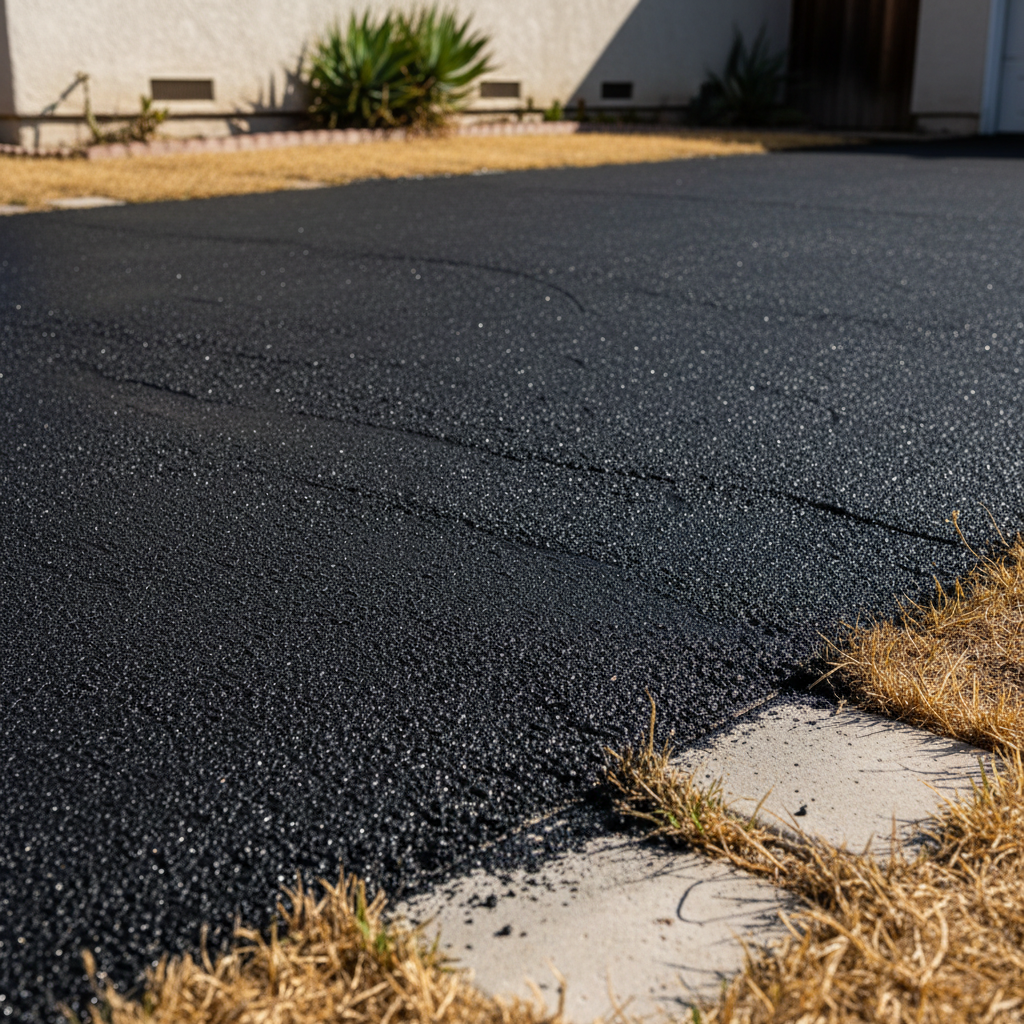
Walking out to your driveway on a scorching afternoon, pressing your thumb into the asphalt, and realizing it is starting to look tired and brittle is a common experience. Property owners in Long Beach, CA experience intense sun and occasional coastal moisture that take a real toll on residential pavement. If your surface is structurally sound but losing its dark, rich color and developing minor surface cracks, a Slurry Coat from Diamond Asphalt Long Beach might be exactly what you need to press the reset button.
Understanding what this process actually involves, what you can handle yourself on a weekend, and when it is time to bring in a professional crew like Diamond Asphalt Long Beach to do the heavy lifting helps make the right decision.
Before the Project: Prep Work and Reality Checks
Proper preparation makes or breaks an asphalt job. Before any slurry mixture touches your ground, you must deal with the weeds, oil stains, and existing cracks. Diamond Asphalt Long Beach approaches prep work by dividing and conquering:
- Pulling weeds and blowing out loose debris from expansion joints.
- Scrubbing heavy automotive fluid spots and priming them so the new coating actually adheres.
- Filling deep cracks with a rubberized crack sealant if they exceed a quarter-inch in width.
While you can certainly rent a pressure washer and knock out the cleaning phase yourself, extensive crack routing and surface patching require specialized tools. If your driveway has sunken areas or alligator cracking where the sub-base has failed, patching those spots is not a DIY job. You need proper compaction equipment, otherwise your new surface will fail within a single season in the Long Beach climate.
During Application: The Mix and the Mess
Slurry coating is a mixture of asphalt emulsion, graded fine aggregate, water, and mineral fillers. It goes down as a wet, chocolate-brown liquid and cures into a tough, jet-black protective shell. Applying a Slurry Coat looks deceptively easy on home improvement videos, but timing is everything.
If you attempt to squeegee-apply a DIY sealcoat or slurry blend during a hot, dry Santa Ana wind event, the material will dry too fast and flake right off. Diamond Asphalt Long Beach knows how to adjust mixtures based on ambient humidity and pavement temperature. On larger residential projects or long driveways, our team uses specialized truck-mounted equipment to lay down a uniform thickness. Trying to feather out heavy buckets of slurry by hand across a large surface usually leads to ridges, puddles, and an uneven mess.
After the Project: Curing and Upkeep
Once the application is down, your main job is patience. Keep foot traffic off the fresh coat for at least twenty-four hours, and keep vehicles parked on the street for a minimum of forty-eight hours. The material might look dry after a few hours, but the deep molecular cure takes time, especially in shaded areas near your garage or side yards. Avoid turning your vehicle wheels sharply while parked on fresh asphalt during the first hot weeks, as the friction can scuff the new surface.
Taking care of your pavement should not feel like a mystery. Keep it clean, wash away chemical spills quickly, and plan on reapplying a protective treatment every few years to keep your Long Beach property looking sharp and protected against the elements.