What exactly is sealcoating, and why do I even need it?
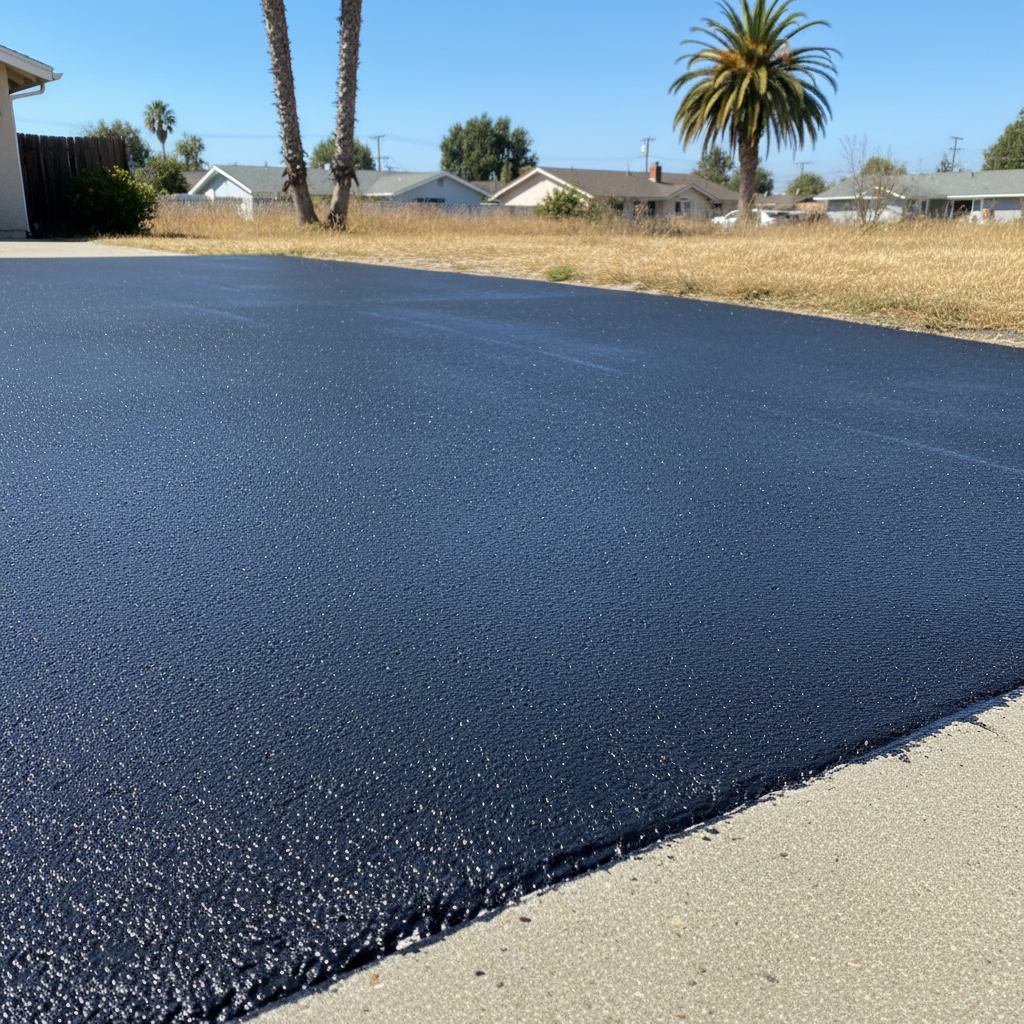
Alright, let's talk about sealcoating. It's basically like putting sunscreen and a protective shield on your asphalt driveway. We use a liquid asphalt emulsion, spreading it over your existing pavement. Think of it as a fresh, black topcoat that does a few really important things. First off, it seals up those tiny cracks and pores that pop up over time. This stops water from sneaking in and messing things up underneath. Water is asphalt's arch-nemesis, especially when it freezes and expands—though, thankfully, we don't deal with much of that here in Long Beach. But even without freezing, water eats away at the base layer, and that's a real headache. Second, sealcoating protects your asphalt from the sun's harsh UV rays. These rays oxidize and dry out the binder in the asphalt, making it brittle and gray. You see that a lot on older driveways, especially around Belmont Shore, where the sun just bakes everything, doesn't it? Third, it helps your asphalt resist oil and gas spills, making them easier to clean up and keeping them from dissolving the asphalt binders. So, to sum it up, it makes your driveway last longer and keeps it looking sharp.
How often should I sealcoat my asphalt driveway?
This is probably the question I hear most often, and honestly, there's no single answer that fits everyone. Generally, for a residential driveway here in Long Beach, I usually suggest sealcoating every two to three years. If you've just had a brand new driveway put in, you should really wait at least 6 to 12 months before that first sealcoat. This gives the asphalt plenty of time to cure properly. After that, it really boils down to a few things: how much sun your driveway gets, how much traffic it sees (do you have a busy house with multiple cars coming and going all day, or just one car parked all week?), and even how good the last sealcoat job was. If you notice it starting to fade, look dull, or show a lot of minor surface cracks, it's probably time to give me a call. Don't put it off until it's falling apart; that's when you're looking at much more expensive repairs.
What's the best time of year to get sealcoating done in Long Beach?
Timing is pretty critical for a good sealcoat job. Here in Long Beach, we're lucky to have pretty mild weather most of the year, but you still need the right conditions. You want consistent temperatures above 50°F (and ideally, above 60°F) for at least 24 to 48 hours after we apply it. This lets the sealcoat cure properly. That means spring, late summer, and early fall are usually perfect. We definitely want to steer clear of the cooler, damper winter months when the sealcoat won't dry right, and we absolutely want to avoid any rain in the forecast. If it rains too soon after application, it can just wash away the fresh sealcoat, and nobody wants that mess. I'm always checking the forecast before scheduling a job for Diamond Asphalt Long Beach, because a good cure is the secret to a long-lasting finish.
How long does it take for the sealcoat to dry, and when can I drive on it again?
Patience, my friend, is a real virtue, especially with sealcoating. The drying time can change based on the temperature, humidity, and how thick we apply it. Usually, it'll be dry to the touch in a few hours. But "dry to the touch" isn't the same as "ready for traffic." I generally tell folks to wait at least 24 to 48 hours before driving on it. If it's a cooler or more humid day, or if we put down a thicker coat, it might even need a full 72 hours. Walking on it after 12 to 24 hours is usually fine, but keep pets off it for at least 24 hours too—you don't want paw prints all over your fresh driveway. Driving on it too soon can cause tire marks, scuffs, and even pull up the sealcoat, which totally defeats the whole purpose. It's just better to be safe and give it that extra time to fully cure.
Can sealcoating fix cracks and potholes in my driveway?
This is a really common misunderstanding. Sealcoating is a protective layer, not a repair solution for serious damage. Think of it like painting a wall—you wouldn't just paint over a big hole, right? You'd patch it first. Same goes for asphalt. Before we even think about applying sealcoat, we'll clean the driveway thoroughly, get rid of any weeds or debris, and then tackle any existing cracks or small potholes. We'll fill cracks with a hot rubberized crack filler and repair potholes with asphalt patch material. Then, sealcoating goes over these repairs, helping to blend them in and protect them. But if your driveway has a lot of cracking, big potholes, or major structural issues, sealcoating alone just won't cut it. You might need more substantial repairs, or even an overlay or full replacement, before sealcoating makes any sense.
Is sealcoating a DIY job, or should I hire a professional?
Look, I'm a contractor, so you might think I'm biased, but I'll give it to you straight. Can you buy sealcoat at a home improvement store and do it yourself? Yes, you absolutely can. Will it be the same quality or last as long as a professional job? Probably not. The products available to homeowners generally aren't the same commercial-grade materials we use. Plus, applying it evenly, at the right thickness, and making sure the surface is properly prepared takes real skill and experience. You need the right equipment, too, not just a squeegee. A professional like Diamond Asphalt Long Beach has industrial-grade sealants, power blowers for cleaning, and the know-how to handle different situations, like proper crack filling. We also know how to get an even finish without streaks or puddles. A bad DIY job can actually make your driveway look worse and not give you the protection you need, meaning you'll be calling me sooner anyway to fix it. It's an investment, and a professional job usually pays for itself in longevity and appearance.