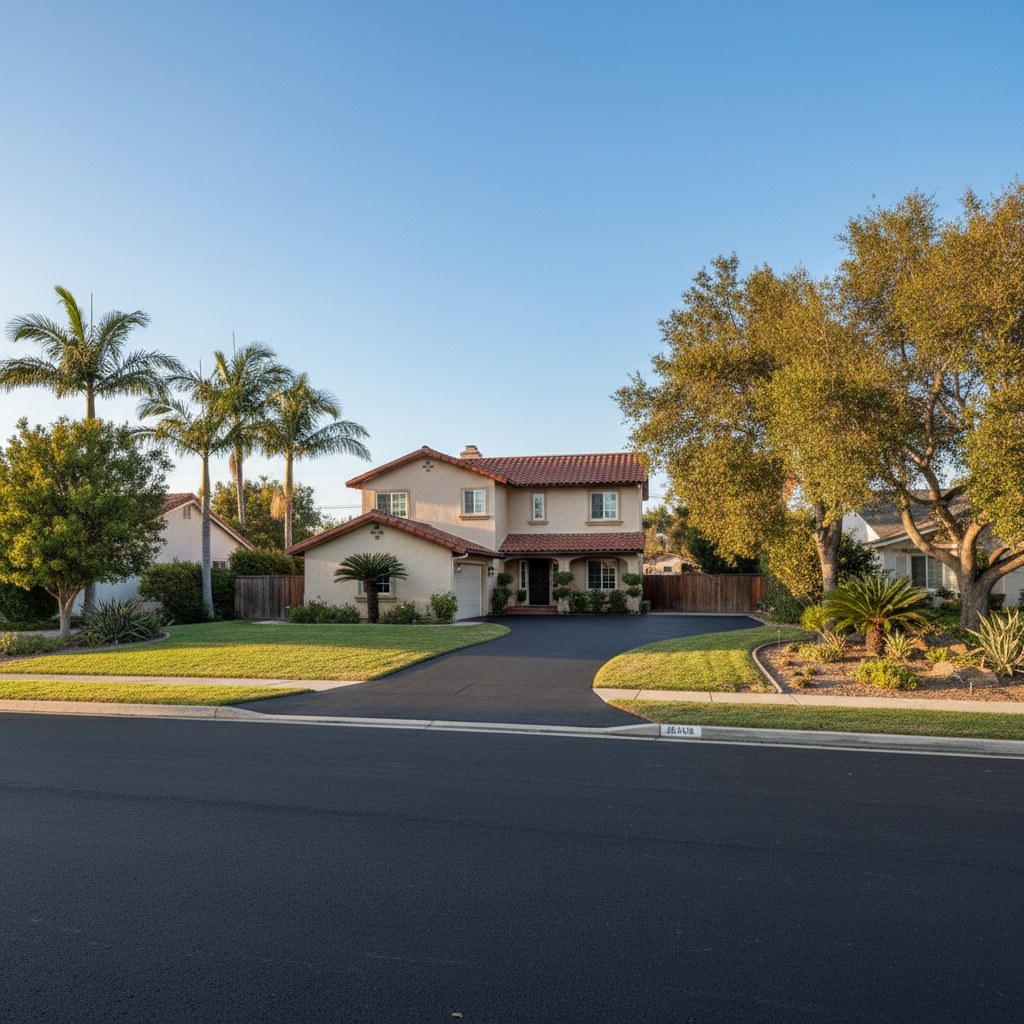
Alright, let's talk commercial asphalt here in Long Beach. You've got a business, and that parking lot or access road isn't just pavement; it's a big part of your property's first impression and safety. I see a lot of commercial properties around here, from the bustling spots in Downtown Long Beach to the quieter business parks near the airport, and one thing's clear: timing your asphalt work right makes all the difference.
When's the Best Time to Schedule Asphalt Work?
This is probably the most common question I get, honestly. For major asphalt paving or resurfacing, you're looking for warm, dry weather. Here in Southern California, we're lucky; we've got a pretty long window compared to other parts of the country. Generally, the sweet spot for laying down new asphalt is from late spring through early fall, roughly April through October.
- Paving & Resurfacing: Asphalt needs to be hot when it's laid down, and it needs time to cool and compact properly. Warm ambient temperatures help keep the material pliable, so we can get it smooth and dense. If it's too cold, the asphalt cools too fast, and you end up with weak spots. Summer is prime time for this, but early to mid-fall works great too, especially before the real chill sets in.
- Sealcoating: Think of this as your pavement's sunscreen and rain jacket. For sealcoating, you want daytime temperatures consistently above 50°F (10°C), and no rain in the forecast for at least 24 to 48 hours after we finish. That allows the sealant to cure and bond right. So, spring and fall are often ideal for this, offering those consistent mild conditions without the extreme heat that can sometimes make things tricky. We recommend sealcoating every 2-3 years for commercial lots.
- Crack Sealing: This is a crucial one, and honestly, you should do it as soon as you see cracks. But if you're planning ahead, fall is a fantastic time to get crack sealing done. Why? Because you want those cracks sealed *before* our rainy season really kicks in, usually November through March. Water is asphalt's worst enemy. It seeps into cracks, weakens the base, and then expands when temperatures drop, turning a small crack into a big pothole. Getting them sealed up before the heavy rains hit protects your investment big time.
What Weather Conditions Affect the Work?
It's not just about the season; it's about the daily conditions. We're always checking the forecast because asphalt is sensitive stuff.
- Temperature: I already mentioned it, but it's worth repeating. For new asphalt, we're looking for temperatures generally above 70°F for optimal results. If it's between 50-60°F, we can still work, but the hot mix has less working time. Extreme heat can also be an issue, making the asphalt too soft, especially in areas with very high summer temperatures. We might schedule work earlier in the morning to avoid the peak heat.
- Rain & Moisture: This is a big no-no for most asphalt work. Rain can prevent proper adhesion and compaction, wash away essential oils, and weaken the mix. For sealcoating, rain on uncured sealer means we'll have to redo it. We need dry pavement, period. If the ground is saturated from recent rain, we'll need to wait at least 24 hours, sometimes longer, until the base is completely dry.
- Humidity: High humidity can slow down the curing process for both asphalt and sealants. Low humidity can speed it up. We factor this in when planning our day.
- UV Radiation: This isn't about the day of the job, but it's a constant factor here in Long Beach. The intense Southern California sun and its UV rays oxidize asphalt, breaking down the binder and making it brittle and gray. That's why sealcoating is so critical for year-round protection.
How to Protect Your Investment Year-Round
You've put money into your commercial asphalt, so let's make sure it lasts. It's not just about fixing problems when they pop up; it's about proactive care.
- Regular Inspections: Walk your lot regularly. Look for new cracks, potholes, or areas where the asphalt is fading or looking dry. Catching small issues early is always cheaper than waiting for them to become big problems. I tell my clients to do a spring and fall inspection.
- Prompt Crack Sealing: As soon as you see a crack, get it sealed. Seriously. It's the best defense against water damage, especially with our occasional heavy winter rains. This keeps water from getting under the pavement and eroding the base.
- Sealcoating on Schedule: For commercial properties, I typically recommend sealcoating every 2-3 years. This protective layer shields your asphalt from UV rays, water, and even oil spills, significantly extending its lifespan. It also brings back that rich, dark black color, making your property look sharp.
- Good Drainage: Make sure water flows *away* from your asphalt, not on it or pooling on it. Proper grading and drainage are key to preventing water infiltration and erosion, which can lead to potholes and other structural damage.
- Sweeping and Cleaning: Regular sweeping removes debris, dirt, and chemicals that can break down your asphalt over time.
Look, I've been doing this a long time with Diamond Asphalt Long Beach, and I've seen what works and what doesn't. Your commercial asphalt is a valuable asset. Taking a seasonal approach to its care, understanding how Long Beach weather impacts it, and staying on top of maintenance will keep it looking good and performing safely for years to come. Don't wait until you've got a major issue; a little proactive care goes a long way.