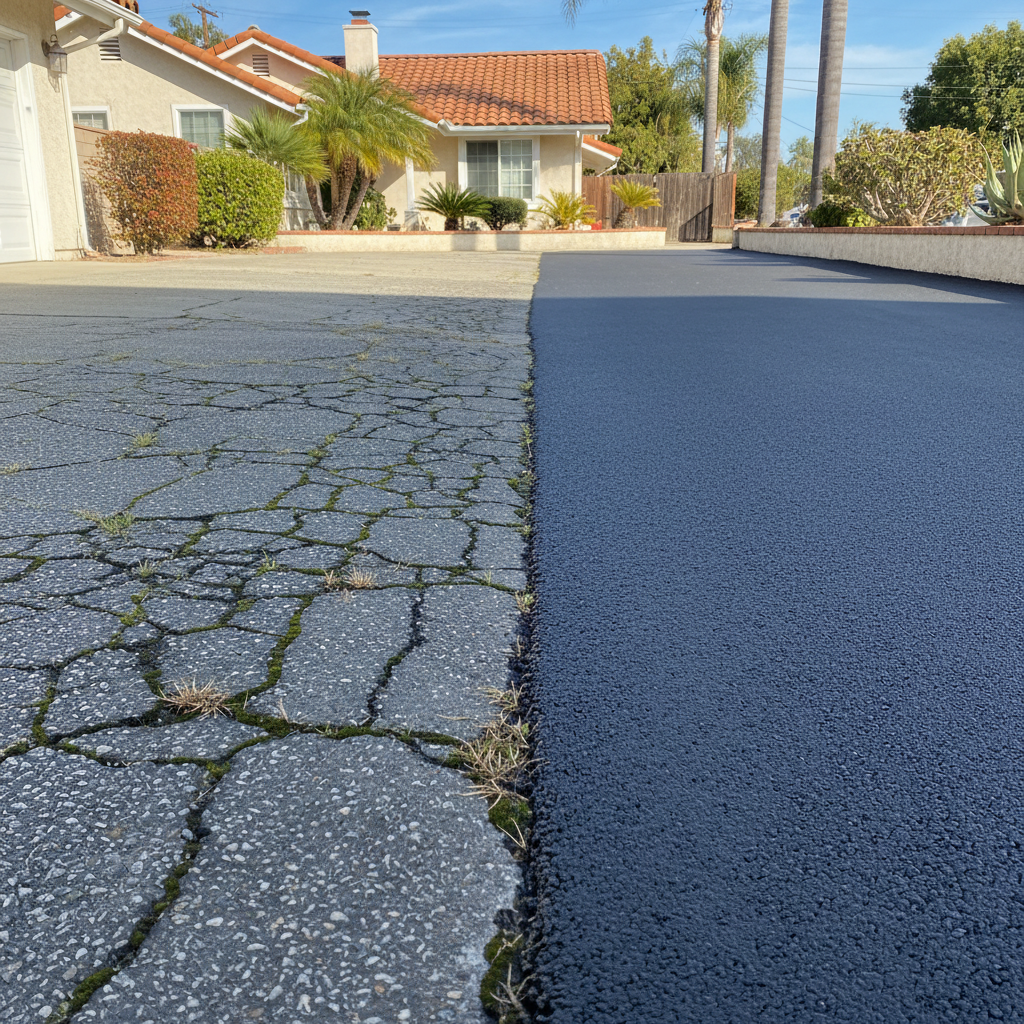
Alright, let's talk parking lots. If you're a homeowner or run a small business here in Long Beach and you're looking to pave a new lot or replace an old one, you've got two main players: asphalt and concrete. It's a decision I see folks wrestle with all the time, and honestly, there's no single 'best' answer for everyone. It really depends on what you need, what you expect, and what your budget looks like.
Initial Cost: Where Does Your Wallet Stand?
First up, the money talk. Generally speaking, asphalt is almost always cheaper to install upfront than concrete. We're talking about a significant difference, sometimes 30-50% less for asphalt. Think about it, asphalt is a petroleum product, and while those prices fluctuate, the materials and labor for laying it down are typically less intensive. For a lot in a place like Bixby Knolls, where you might have a smaller, residential-adjacent parking area, that initial cost saving can be a huge factor. If you're on a tighter budget and need to get a functional, good-looking surface down without breaking the bank, asphalt usually wins this round hands down.
Durability & Longevity: How Long Will It Last?
Now, just because something's cheaper doesn't mean it's flimsy. Asphalt is surprisingly durable. It's flexible, which is a big plus here in California where we get our share of seismic activity. That flexibility helps it withstand ground movement and temperature changes without cracking as easily as concrete might. A well-maintained asphalt parking lot can easily last 20-30 years, sometimes even longer. But, and this is a big 'but,' it needs maintenance. More on that in a minute.
Concrete, on the other hand, is renowned for its strength and longevity. It's a rigid material, which means it can handle heavy loads without rutting or deforming. A concrete parking lot, if installed correctly, can last 30-40 years, or even more, with less intensive routine maintenance than asphalt. It's tougher against chemicals too, like oil spills, which can be a real headache for asphalt.
Maintenance: What's the Ongoing Commitment?
This is where the long-term cost comes into play, and it's a critical point for Long Beach property owners. Asphalt needs regular attention. You'll want to sealcoat it every 2-5 years. This isn't just for looks; sealcoating protects the asphalt from UV rays, water penetration, and oxidation, which are all big enemies of its lifespan. You'll also need to keep an eye out for cracks and fill them promptly. If you neglect asphalt, it'll degrade much faster, leading to potholes and costly repairs.
Concrete is lower maintenance in terms of routine tasks. You don't sealcoat it, though some folks choose to apply a sealant for added protection and stain resistance. The main maintenance for concrete involves cleaning and addressing cracks or spalling as they appear. When concrete does crack, repairs can be more involved and sometimes more noticeable than asphalt crack filling. Also, if a section of concrete fails, you often have to replace an entire slab, which can be a bigger job than patching asphalt.
Appearance & Aesthetics: What Look Are You Going For?
This one's pretty straightforward. Asphalt gives you that classic dark, uniform look. It's clean, professional, and provides a good contrast for line striping. If you're going for a sleek, modern aesthetic, asphalt does the job well. It also melts snow and ice faster in the rare event we get some crazy weather, though that's not exactly a common concern here in Long Beach!
Concrete offers a brighter, lighter appearance. It reflects more light, which can help reduce the 'heat island' effect in large parking areas, something to consider on those scorching August days we get. You can also stamp or color concrete to achieve various decorative effects, which isn't really an option with standard asphalt. If you want something a bit more upscale or unique, concrete gives you more design flexibility.
Environmental Impact: Thinking Green
Both materials have their pros and cons here. Asphalt is 100% recyclable. Old asphalt can be milled up and reused in new paving projects, which is a big environmental plus. Concrete can also be recycled, but it's often crushed and used as aggregate rather than directly repaved. The production of cement, a key ingredient in concrete, is energy-intensive and contributes to greenhouse gas emissions. However, concrete's lighter color can reduce energy consumption for lighting and cooling nearby buildings.
My Recommendation for Long Beach Homeowners
Okay, so after all that, what do I usually tell folks? For most homeowners and small businesses in Long Beach looking to pave a parking lot, I generally lean towards asphalt. Here's why:
- Cost-Effectiveness: The lower upfront cost is a huge factor for many.
- Flexibility: Our local soil conditions, especially in older areas where there might be some settling, benefit from asphalt's flexibility. It's less prone to cracking from minor ground shifts than rigid concrete.
- Repairability: Asphalt is easier and cheaper to repair. Potholes can be patched, and cracks filled relatively quickly and seamlessly.
- Speed of Installation: Asphalt jobs are typically quicker to complete, meaning less disruption for you.
Now, if you've got an unlimited budget, want the absolute longest lifespan with minimal routine upkeep, or need a specific decorative look, then concrete could be a great choice. But for the typical Long Beach parking lot that needs to be durable, affordable, and easy to maintain, asphalt usually hits the sweet spot. Just make sure you commit to that regular sealcoating and crack filling to get the most out of your investment.
If you're still weighing your options or want a solid quote for your project, give us a call at Diamond Asphalt Long Beach. We've been doing this for a long time, and we can help you figure out the best path forward for your property.